
Choosing the right flue for a log burning stove is essential for safe and efficient operation. The main types of flues used with log burners are single wall flue pipes, twin wall insulated flues, and flexible flue liners, each designed for specific installations and requirements. Understanding these options helps homeowners select the best system for their property and ensures compliance with safety standards.
What Exactly Is a Flue? (and How It Relates to a Chimney)
A flue is basically the internal passage that carries smoke and combustion gases from your stove up and out of the house. Think of it as a regulated pathway, keeping fumes well away from where you’re living.
People often mix up flues and chimneys, but they’re not quite the same thing. The chimney is the visible structure – usually brick or sometimes metal – that houses and protects the flue inside it.
Key Differences Between a Flue and a Chimney:
| Feature | Flue | Chimney |
|---|---|---|
| Definition | Internal passage for exhaust gases | Full external structure, houses the flue |
| Function | Moves smoke and gases out | Provides support and weather protection |
| Appearance | Not visible, located inside chimney or structure | Visible brick or metal stack on the roof |
Flues come in different materials – stainless steel, clay, ceramic liners. The best choice depends on your stove and how your home is built.
If you’ve got an old brick chimney, you might need to install a flue liner to create a continuous, safe exit for gases.
In most older homes, the flue runs vertically through the length of the center of the chimney. If you don’t have a masonry chimney, a standalone flue system is the way to go.
How to Identify Your Chimney Situation
Chimney types can differ a lot by age, materials, and even shape. Figuring out what you’ve got is the first step if you want a reliable, safe wood burner setup.
Class 1 Chimneys (Traditional Brick & Mortar)
If your house was built before the 1960s, chances are you’ve got a Class 1 chimney – big, solid, and made from bricks or stone. You can usually spot them by a wide fireplace or a chunky chimney breast in the room.
The internal flue diameter is typically 7 inches (180mm) or more, which works for most open fires and wood burners. If the fireplace is especially large, that’s a dead giveaway. Bigger flues give you more flexibility when picking a stove.
But here’s the catch: old brick chimneys can deteriorate inside. It’s smart to check for blockages or cracks. Most people end up lining the chimney for safety and better performance.
Precast Chimneys
Precast chimneys use concrete or clay blocks and are common in houses from the 1970s onwards. The chimney is usually a narrow, rectangular column – sometimes just a skinny pillar on the wall.
Flue diameters here are smaller, often about 5 inches (125mm). That limits which stoves you can use. Usually, you’ll need a DEFRA-approved stove or one specifically designed for a smaller flue.
Before you do anything, double-check the actual flue size. Sometimes you can see it at the roof terminal, or you might need to dig up old property plans.
Homes With No Existing Chimney
If your house doesn’t have a chimney – or it’s been removed – you’re not out of luck. You’ll just need a twin wall insulated flue system.
These are made from interlocking metal pipes with insulation sandwiched between. You can run them up the outside wall or through the house. They’re usually finished with a stainless steel or color-coated terminal up top.
Getting the right diameter (usually 5 or 6 inches) depends on your stove and local rules. Honestly, this is not a DIY job – get a pro to fit it.
Unsure? How to Get Expert Advice
Sometimes, figuring out your chimney or flue type is just confusing, especially in older homes or if things have been changed over the years. Odd wall shapes, capped chimneys, or traces of old fireplaces can all be clues, but it’s not always obvious.
If you’re not sure (and honestly, even if you think you are), talk to a professional HETAS-registered installer or a certified chimney sweep. They can run a smoke test and check the whole setup, then tell you what will work safely.
A lot of stove shops will send someone out for a survey too, which can be a lifesaver.
The Different Flue and Pipe Types for Log Burners
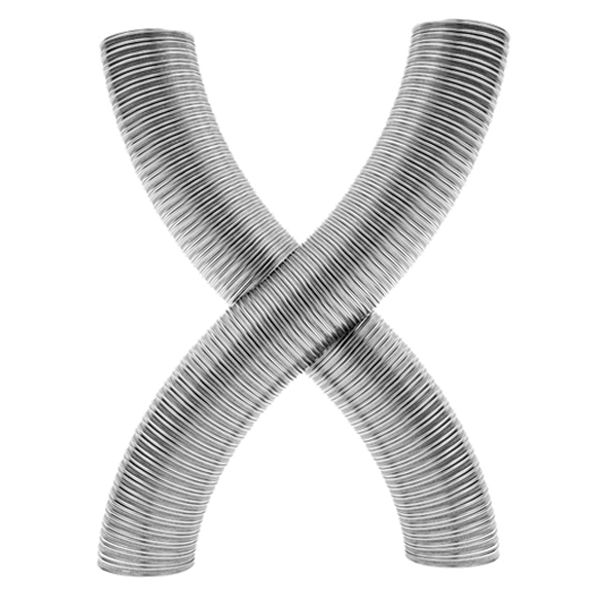
Flexible Chimney Liners
Flexible chimney liners are strongly recommended for updating older fireplaces to work with a modern wood burner. They’re usually stainless steel, designed to be dropped down an existing brick chimney. This keeps smoke and gases from leaking into your house and protects the chimney walls. Additionally, flexible chimney liners improve the overall efficiency of the wood burner by ensuring optimal airflow, which can enhance combustion and reduce creosote buildup. When looking for the best chimney liners for stoves, it’s essential to consider factors such as the material’s durability, the liner’s diameter, and the specific requirements of your wood-burning unit. Investing in a high-quality liner can greatly extend the lifespan of your chimney and improve the safety of your fireplace system.
If your original flue is damaged or not up to scratch for wood burning, you’ll probably need one of these. Most are double-skinned for durability and heat resistance.
The usual install method involves lowering the liner from the top of the chimney stack with a nose cone, then hooking it up to the stove via an adaptor, connecting to the stove pipe (often vitreous enamel), which is secured with locking bands for a safe and robust connection.
They’re really only for homes with an existing brick chimney. The smooth interior helps cut down on creosote, so cleaning’s easier too.
No chimney? No problem. Twin wall flue systems are your answer. Two layers of stainless steel with insulation between them – this keeps the outside cool and makes for a better draft. You can run these flues straight up, out the wall, or even outside the building.
They’re super flexible – handy for new builds, extensions, or anywhere a traditional chimney is missing. You get elbows, brackets, and terminals, so you can build a sealed, insulated flue path from stove to outside.
Just remember: you have to keep them a safe distance from anything flammable. They’re pretty straightforward to put together, but always check building regs.
Single Wall Connecting Pipes (Stove Pipes)
Single wall connecting pipes – sometimes just called stove pipes – link your log burner to the main flue or chimney. Usually made from enamelled or painted steel, these pipes handle the hottest part of the smoke path, right from the stove to the start of the chimney liner or twin wall.
They’re only meant for use in the same room as the stove, because the outside gets seriously hot. Never run a single wall pipe through a wall, floor, or ceiling – they’re not insulated, so it’s a fire risk. Pipes come in all sorts of lengths, bends, and diameters to fit your setup.
It’s important to get tight joints and the right clearances from anything flammable.
Choosing the Right System Based on Your Home
The best flue liner kits for your stove depend on your house’s chimney situation. There’s no one-size-fits-all – each setup needs a different approach for safety and efficiency. Understanding the specific requirements of your chimney is crucial, and that’s where the flue liner kit components explained come into play. By knowing the individual parts of a flue liner kit, you can ensure that you select the right materials and configuration for your stove. This attention to detail will not only enhance the performance of your heating system but also promote safer operation.
If You Have a Class 1 Chimney
If you’ve got a big old brick or stone chimney, you’re in luck. Most log burners will fit without too much drama.
Still, check the inside before you start using it. Flexible flue liner kit installation is pretty common – it helps with draft and stops tar from building up. Don’t skip regular chimney sweeps.
If everything’s sound, you’ve got lots of stove options, and costs are usually lower since the structure’s already there. But always get a pro to inspect it before firing up.
If You Have a Precast Chimney
Not every stove is compatible, so you’ll need one approved for a Class 2 flue.
Sometimes, you’ll have to add an insulated liner to get a safe, strong draft. Always check the manufacturer’s specs and local building regs before you buy anything. These chimneys aren’t great for bigger stoves – diameter’s the limiting factor here. Really, you want a HETAS engineer’s advice before making changes.
If You Have No Chimney
No chimney at all? You’ll need a twin-wall flue system.
They give you a reliable draft and meet all the safety standards. Placement is more flexible, since you’re not tied to an existing stack.
Downside? Materials and labour cost more, and the install needs to be planned carefully – no sharp bends, and you’ve got to keep clear of combustibles. Regular servicing is still a must.
Important Considerations and Building Regulations (UK Document J)
If you’re in the UK, you’ll need to stick to Document J of the Building Regulations when installing a log burner. It covers all the safety rules for combustion appliances, chimneys, and flues.
Clearance from anything flammable is a big one. You need at least three times the flue’s diameter between a single-skin pipe and any combustible surface. For a 150mm (6”) flue, that’s 450mm (18”) from timber or similar.
Chimneys and flues must be built to prevent fire risks and leaks of flue gases. You want to avoid overheating and bad venting, obviously.
Quick checklist for compliance:
- Use the right size flue (not less than 125mm for most stoves, though some DEFRA-approved ones can use a 125mm (5″) flue).
- Make sure all pipe joints are secure and sealed.
- Provide enough ventilation to avoid carbon monoxide.
Note: Always install stoves and flues following the manufacturer’s instructions and Document J. Only use components that meet British or European Standards for safety.
Buying Your Log Burner Flue System
Picking out a log burner flue system isn’t something you want to rush. The right choice really does matter for safety, compliance, and just plain getting the most out of your stove. Consider your specific heating needs, the size of your space, and local building regulations when making your selection. It’s also wise to explore complete log burner flue kit options, as these can simplify the installation process and ensure you have everything you need for a safe and efficient setup. Taking the time to choose the right system will not only enhance your home’s comfort but also extend the life of your stove.
Don’t forget to check what flue pipe size your stove needs. Most models call for either a 5-inch or 6-inch flue, but double-check the manufacturer’s specs – sometimes there are little quirks.
You’ll find all sorts of stove flue pipes out there: different shapes, sizes, and finishes. Twin wall kits come in stainless or black, so you can match your taste or your room.
A few things to keep in mind:
- Certification: Always look for UK-approved pipes rated for high heat.
- Material: Stainless steel is tough and lasts.
- Kit options: You can get twin wall flue kits that make installation a bit less of a headache.
Getting it installed right is a big deal – lots of folks just hire a pro to make sure everything’s safe and up to code.
Maintenance: Keeping Your Flue System Safe and Efficient
Staying on top of flue maintenance isn’t optional if you care about safety or how well your stove works. At least once a year, give the flue a proper inspection and clean to keep soot and creosote from piling up. You don’t want to risk a chimney fire, and a blocked flue is just asking for trouble.
Key steps for maintaining a flue system:
- Wear protective gear – gloves and goggles aren’t just for show.
- Regularly clear ash and soot from both the stove and the flue.
- Check for any blockages, cracks, or signs of corrosion.
- Make sure all joints and seals are tight.
- If there’s a lot of build-up, don’t mess around – hire a chimney sweep.
A clean flue just works better, plain and simple. And if you’re cleaning indoors, crack a window for ventilation.
Maintenance schedule overview:
| Task | Frequency |
|---|---|
| Ash Removal | Weekly |
| Visual Inspection | Monthly |
| Professional Chimney Sweep | Annually |
Stick to a schedule and your stove will run longer and cost you less in repairs. If you’re ever unsure about poking around inside the flue or spot any damage, it’s honestly best to call in a certified pro – servicing experts can save you a headache.
Frequently Asked Questions
What are the installation requirements for a log burning stove flue?
You’ll need the right flue diameter – usually no less than 5 inches unless you’ve got a DEFRA-approved stove. The chimney flue should run vertically as much as possible and needs to be insulated to help with condensation and heat retention.
Installation should follow the manufacturer’s guidelines and local codes. In a lot of places, a certified installer is required, or at least an official check to be HETAS approved in the UK.
Where can one find quality log burning stove flue kits?
You can pick up rigid steel and twin wall flue pipe systems from specialist suppliers, whether you’ve got a chimney or not. Retailers and installers usually offer kits that meet current standards and fit both internal and external setups.
It’s worth sticking with trusted suppliers or manufacturers – they offer warranties and better after-sales support.